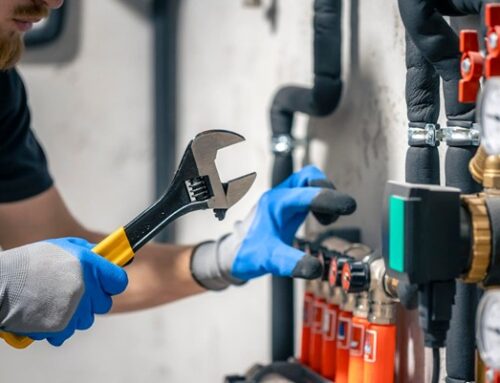

Homes rely on steady flow and steady warmth for comfort. Many owners once saw both as separate needs. Water flow felt like one concern. The heat felt like another. Yet more homes now face issues that link both sides together. A small fault on one side creates a ripple effect on the other. That shift created a strong push toward service teams that can manage both systems as one. Many calls we handle for plumbing and heating in Worcester, MA show how close these two systems truly sit beneath the surface.
Our team sees how pipes shape heat patterns. We also see how heat shapes water flow. Once these parts work as a single unit, a home gains smooth comfort and fewer surprise repairs. That shift helps explain why more service teams now offer both skill sets under one roof.
Homes Now Use Shared Routes For Heat And Water Movement
Older homes kept heat and water far apart. Pipes for hot water carried short routes. Heat units often stayed close to vents with simple loops. Modern layouts changed that pattern. Open spaces need wide heat paths. Multi-level baths need stronger water flow. Builders now place heat parts near water lines to cut space use. That leads to shared paths for supply, return flow, and venting.
A single blockage can slow heat transfer. A trapped air pocket can shift pressure at several points. Our team sees this pattern each season. Homes with tight layouts face more risk of cross faults. Owners then call for heat repair or water repair. Once our team checks the layout, we see the issue touches both sides. That truth shapes the trend toward single-team support.
Shared routes save space. Yet they also ask for combined skill. A service call that checks one side only may miss deeper clues. Combined support gives faster answers and fewer return visits.
Small Leaks Now Disrupt Heat Units Faster Than Ever
Heat units draw water through tiny points. A leak drops pressure within hours. Some units shut down once pressure falls under a safe point. That stops heat flow. Homes lose warmth at night. Many of our calls happen late due to small leaks that weaken pressure at the wrong time.
These high-tech units protect themselves through internal safety locks. A pressure drop immediately triggers a lock-out mode. Owners often assume the entire heating unit has failed dramatically. Yet, once we check the system layout, we frequently discover a small, unnoticed leak causing the safety lock. A simple seal change or minor pipe repair restores the system flow and the heat. When you need both rapid leak detection and heating system expertise, reliable plumbing services in Worcester become absolutely essential.
Homes with old pipes face this risk more often. Small leaks now carry larger effects because heat units depend on steady pressure. That change calls for teams that know how to fix leaks and reset heat units together.
Smart Home Systems Push Both Networks To Work As One
Smart homes place heat and water under one group of sensors. Those sensors track hot water use, heat zones, pressure, and energy use. A fault on one side triggers alerts across the system. Owners then see messages that suggest mixed causes. A simple clog may trigger heat alerts. A valve fault may flag water warnings.
These tools help owners save energy. Yet they also demand technical skill to read the patterns. Our team studies these patterns during service visits. A single scan may reveal faults across both networks. That ability makes combined service more useful than separate calls.
The trend toward smart control grows daily. New homes rely on these setups more than older homes. That alone drives the rise of combined service demand.
Why Our Team Offers Both Skill Sets
We saw a pattern across hundreds of calls. Homes grow more complex. Heat and water shift closer together. New units rely on shared parts. Owners want smooth comfort without delay.
Our team solves issues faster through combined skill. We track pressure losses, pipe paths, vent issues, pump faults, fan trouble, scaling, and zone faults. Each one touches the other. That makes our approach more helpful for homes that face mixed issues.
We offer full checks, quick fixes, updates, and honest guidance. We also guide owners through upgrades that offer long-term gains. Many issues vanish once both sides gain balance.
How Owners Benefit From Combined Service
Owners gain fewer return visits. They reduce long-term cost through early checks. They also avoid trouble spots that hide behind tight designs.
Homes today carry more risk through hidden pipes and tight zones. A single team that knows both sides protects the full system. That truth shaped the rise of combined service.
Our team sees the trend growing fast. More homes add smart units, more zones, and more blended parts. That path leads toward stronger demand for integrated support.
Frequently Asked Questions (FAQs)
- Why do both systems need combined checks?
Plumbing and heating systems are interconnected. Many common faults cross between the two. For instance, a small water leak shifts pressure, and a clog slows down heat flow within boiler or radiant lines. Combined checks allow professionals to spot these early, interconnected signs of trouble. - How often should both sides receive checks?
Most residential systems benefit from a yearly professional inspection. However, homes with aging pipe infrastructure or those that have recently installed complex new heating units (like modern boilers or heat pumps) should strongly consider two checks per year for optimal performance and safety. - Do smart home sensors help catch faults early?
Absolutely, yes. Smart sensors are highly effective because they monitor key indicators like pressure and temperature in real time. They catch unexpected drops or spikes extremely fast. These early alerts are crucial and help homeowners prevent potentially expensive, major damage before it occurs. - Can small leaks disrupt heat flow?
Yes, they can. Even a tiny leak causes a gradual but steady drop in the overall system pressure, particularly in closed-loop heating systems. Many new, high-efficiency heat units are designed to shut down automatically for safety once the system pressure falls below a certain threshold.