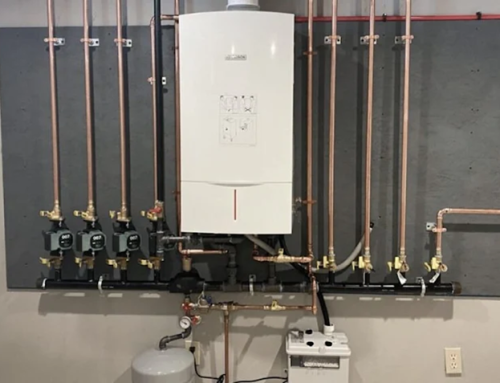

A new water heater means reliable hot water. It means more comfort for your family. Many homeowners focus only on the brand or the size. They think the installation is simple. It is not. Water heater installations in Worcester demand precision. They require a deep look at your home’s plumbing and safety features. A professional installation goes far beyond connecting pipes. It involves critical safety and efficiency checks. These checks prevent leaks, costly repairs, and dangerous situations. Here at Clay Plumbing & Heating, we take this process seriously. We view it as preparing your home for years of trouble-free hot water. We want you to feel confident in the work we do. Let’s look at the crucial, often-missed steps we take during every install.
Getting the Gallons Exactly Right
You might think bigger is always better. That is not true for a water heater. An oversized unit wastes energy. It heats water that just sits there. It cools down slowly. An undersized unit constantly struggles. It runs non-stop to meet your family’s demand. This heavy cycling wears out the parts fast. It shortens the lifespan of the entire system.
We start every job with a careful load calculation. We look at your home’s hot water needs. This is called the First Hour Rating (FHR). We factor in the number of bathrooms you have. We consider appliances like dishwashers and washing machines. We account for how many people live there. We match the new unit perfectly to your needs. This correct sizing ensures two things. It guarantees you never run out of hot water. It also guarantees maximum energy efficiency. A perfect size saves you money every single month.
Power and Gas Line Connection
The energy source must be handled with extreme care. Electric heaters require precise wiring. Gas heaters need impeccable gas line connections. We never cut corners on these checks.
For electric units, we verify the circuit breaker size. We check the wiring gauge. They must match the new heater’s specifications. Incorrect wiring is a fire hazard. It can instantly fry the new heating elements.
For gas units, safety is even more critical. We always inspect the gas line leading to the unit. We check for any corrosion or leaks. We use specialized equipment to test all connections. We ensure the gas flow rate is correct for the burner. A poor connection is a serious leak risk. It puts your family in danger. Our job is to make sure the fuel source is perfectly safe and ready.
Ensuring Safe Exhaust Flow
Gas water heaters produce combustion gases. These gases include carbon monoxide. They must vent safely outside your home. Proper venting is a crucial safety component. It prevents deadly fumes from entering your living space.
We inspect the entire venting system. This includes the flue pipe and the chimney connections. We look for blockages. We check for proper slope and secure joints. The flue must rise at the correct angle. It must create a natural draft. This pulls the exhaust out reliably. If the venting is old or damaged, we replace it. Sometimes, an older heater used a different vent size. We adjust the connection to match the new unit perfectly. We ensure the entire path for exhaust is clear and leak-free. This safety check is non-negotiable.
Anode Rod and Water Quality Check
Most homeowners don’t think about the anode rod. It is the most important part of the tank’s lifespan. This rod hangs inside the tank. It attracts corrosive elements in the water. It sacrifices itself to prevent the steel tank from rusting.
During the installation, we check the water quality. Hard water or water with certain minerals can accelerate the rod’s depletion. We discuss your water quality with you. We advise on the best type of anode rod for your needs. We also make sure the new rod is correctly installed and secured. We let you know about the rod’s expected life. We remind you to inspect it periodically. This small metal rod is your heater’s life insurance. Protecting it protects your investment.
Pressure and Temperature Guardian
Every water heater must have a Temperature and Pressure (T&P) Relief Valve. This valve is a life-saving safety device. It prevents the tank from exploding. If the pressure or temperature gets too high, the valve opens. It releases water to relieve the danger.
We always install a new T&P valve with a new heater. We check that it is the correct type for the unit. We ensure it is securely fitted to the tank. We also attach the discharge tube. This tube directs any expelled hot water safely to the floor. It should never terminate near electrical components. It should never be capped or blocked. This check confirms the tank will not become a pressurized bomb. It is fundamental safety work.
Flushes, Valves, and Pipe Integrity
The installation is not just about the new heater. It is about the entire plumbing system around it. We check the cold water shut-off valve. We make sure it works perfectly. We ensure the drain valve is accessible and functional. This helps with future maintenance. We look closely at the pipes connecting to the unit. Old copper or galvanized pipes might not handle the new pressure or connections well. We replace any questionable sections right away.
We often recommend a system flush or power flushing. This is especially true if we are replacing a very old unit. Debris and sediment can build up in the pipes. This debris can flow into the new unit. This can damage components quickly. We ensure the entire system is clean before the new unit takes over. A small issue like needing boiler repair in Worcester might be avoided later. Keeping the system clean helps everything work better.
Bottom Line
The job is truly finished only when your satisfaction is guaranteed. We ensure a clean, tidy work area, leaving your space exactly as we found it. Every step of the installation, from the initial connection to the final temperature check, reflects our commitment to superior craftsmanship. You now have a high-performing, safely installed water heater ready to serve your household for years to come. We stand behind our work, providing you not just with a new appliance, but with confidence, comfort, and peace of mind. Your long-term satisfaction is the real measure of our success.
Frequently Asked Questions (FAQs)
- How long does a typical water heater installation take?
A standard tank water heater replacement usually takes about three to four hours. This time can vary. It depends on factors like the unit location. It depends on whether we need to update the venting or plumbing. Tankless units can take longer. - Should I flush my new water heater?
Yes, you should flush your water heater every year. This is even true for new units. Flushing removes sediment that naturally builds up. It keeps the heater running efficiently. It extends the life of the unit significantly. - How often should the anode rod be checked?
You should have the anode rod checked every two to three years. This is especially important if you have hard water. Replacing the rod is much cheaper than replacing the entire water heater.